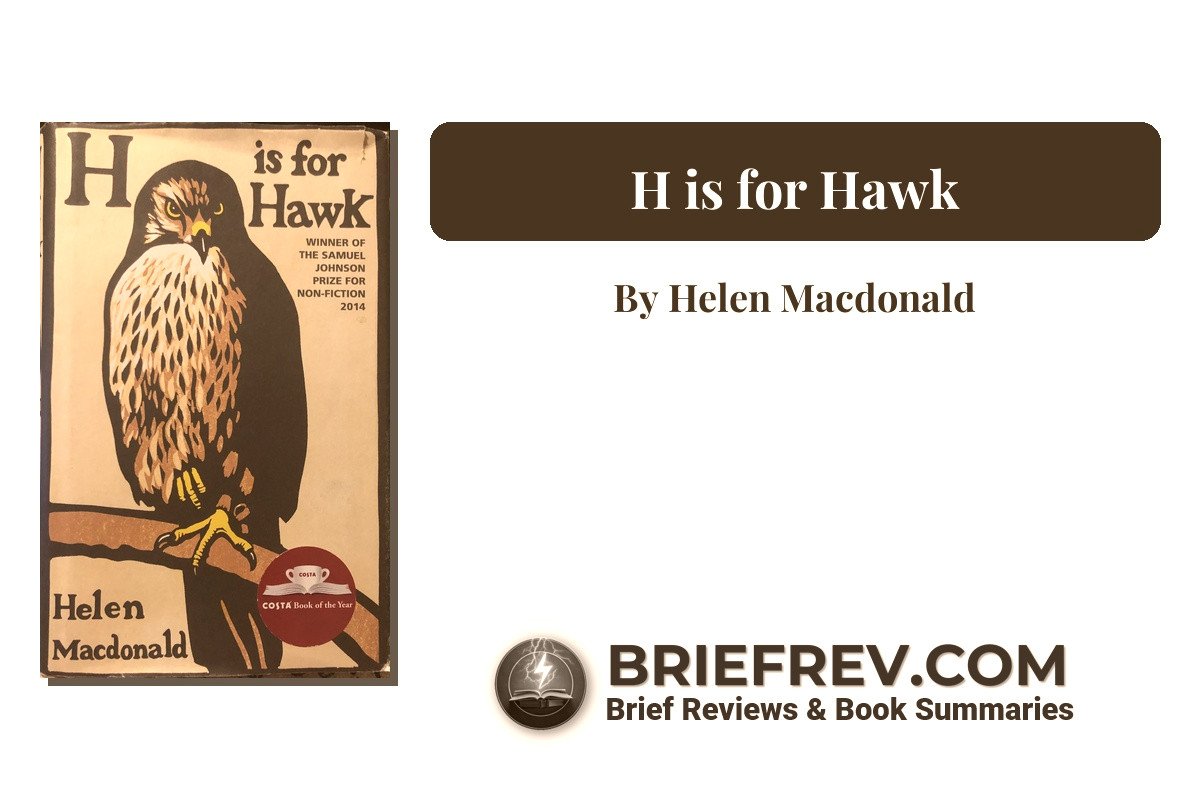
H is for Hawk: A Journey Through Grief, Nature, and the Wild Within
Introduction
Grief is a wild thing. It doesn’t follow rules, and it doesn’t arrive or leave on schedule. In Helen Macdonald’s memoir, H is for Hawk, grief takes the form of a goshawk—a fierce, untamable bird of prey that becomes both a companion and a mirror to the author’s own emotional turmoil. At its heart, the book is about the human struggle to find meaning and connection in the face of profound loss. It’s a story of mourning, but also of transformation, as Macdonald turns to the natural world to navigate the depths of sorrow and rediscover her place in it.
What the Book Covers
H is for Hawk is a genre-defying blend of memoir, nature writing, and literary biography. It chronicles Macdonald’s attempt to cope with the sudden death of her father, a beloved photojournalist, by training a goshawk named Mabel. As a seasoned falconer, Macdonald is no stranger to birds of prey, but the goshawk is a different creature altogether—wild, solitary, and notoriously difficult to tame. The book also weaves in the troubled life of T.H. White, author of The Once and Future King, who wrote his own account of training a goshawk in the 1930s. Through these parallel narratives, Macdonald explores themes of identity, solitude, and the human desire to control the uncontrollable. This book is for readers who appreciate lyrical prose, introspective storytelling, and the complex interplay between humans and the natural world.
Key Insights
One of the most powerful insights in H is for Hawk is the idea that grief can make us feel feral—cut off from the world, unrecognizable even to ourselves. Macdonald’s decision to train a goshawk is not just a coping mechanism; it’s a way of embracing that wildness. In Mabel, she sees a creature that lives entirely in the present, unburdened by memory or sorrow. This contrast between human and animal consciousness becomes a central theme, highlighting both the allure and the danger of trying to escape into the wild.
Another compelling idea is the way Macdonald uses the story of T.H. White as a cautionary tale. White’s own attempt to train a goshawk was marked by fear, failure, and self-loathing. His story serves as a dark mirror to Macdonald’s own journey, showing how our inner demons can sabotage even our most sincere efforts to connect with the world around us. By revisiting White’s life and work, Macdonald not only pays homage to a fellow falconer but also confronts the psychological shadows that haunt her own path.
The book also offers a meditation on the limits of control. Training a hawk requires discipline, patience, and a deep understanding of the bird’s instincts. But as Macdonald learns, true mastery lies not in domination but in partnership. Her relationship with Mabel evolves from one of cautious distance to mutual trust, reflecting a broader lesson about how we relate to the world and to ourselves. In letting go of the need to control everything, Macdonald begins to heal.
Finally, H is for Hawk reminds us of the restorative power of nature. The English countryside, with its shifting seasons and quiet beauty, becomes a backdrop for Macdonald’s emotional recovery. Her detailed observations of the landscape and its creatures ground the narrative in a sense of place, offering moments of stillness and clarity amid the chaos of grief. Nature doesn’t offer easy answers, but it does offer presence—and sometimes, that’s enough.
Memorable Quotes
“Hands are for other human hands to hold. They should not be reserved exclusively as perches for hawks.”
“You do not grieve in isolation. You grieve with all the other people who are grieving.”
Why This Book Matters
H is for Hawk is more than a memoir; it’s a meditation on what it means to be human in a world that often feels indifferent to our pain. In an age where grief is often hidden or rushed through, Macdonald’s honest, unflinching account offers a rare space for reflection. Her writing invites readers to sit with discomfort, to find beauty in the wild and the broken, and to recognize that healing is not a linear process. This book will resonate most with readers who have experienced loss, who find solace in nature, or who are drawn to stories that blur the boundaries between the personal and the universal. It’s a reminder that even in our darkest moments, connection—whether with a bird, a book, or a memory—can light the way forward.